.svg)

“Medical science cured leprosy decades ago with multidrug therapy (MDT),” explains a RedAid field surveillance officer in Enugu. “Yet for thousands of Nigerians living in endemic clusters, the deepest wounds are not biological - they are the enduring walls of social ostracism, fear, and economic exclusion.”
Centuries of deep-seated mythologies - erroneously associating the disease with curses, divine punishment, or hereditary decay - continue to fuel devastating community ostracism. Patients who complete their chemotherapy regimens often find themselves evicted from family compounds, barred from communal water points, and excluded from local markets.
Restoring Dignity Through Socioeconomic Empowerment
To dismantle this cycle of dependency and shame, RedAid Nigeria pioneers an integrated rehabilitation model that treats the patient as a whole human being. Medical cure is systematically paired with three pillars of social reintegration: reconstructive surgery to restore manual dexterity, custom orthopaedic microcellular rubber (MCR) sandals fabricated at our Enugu workshop to prevent ulcers, and micro-enterprise seed grants that empower survivors to establish self-sustaining livelihoods.
When patients regain physical independence and financial self-sufficiency, community perceptions shift rapidly. A former patient who opens a thriving carpentry shop or tailoring enterprise ceases to be viewed as a burden - they become an economic contributor and a respected elder.
True healing occurs when persons affected become the primary advocates for their own dignity and lead the dialogue in their communities.
Community Self-Help Groups as Catalysts for Change
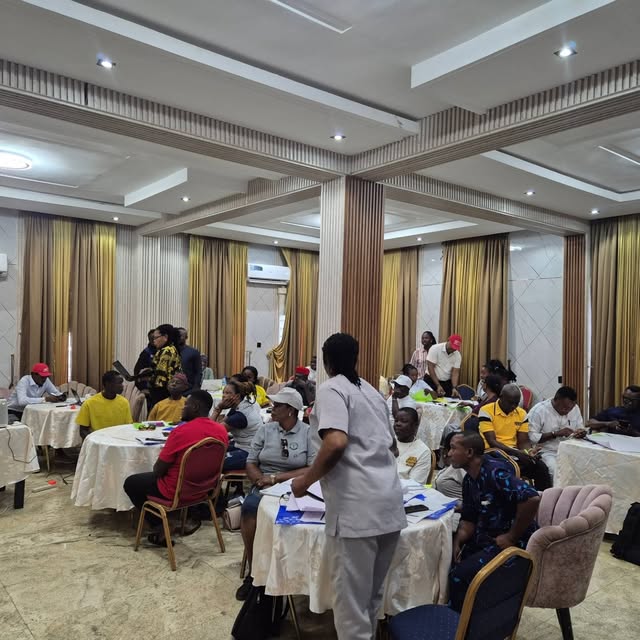
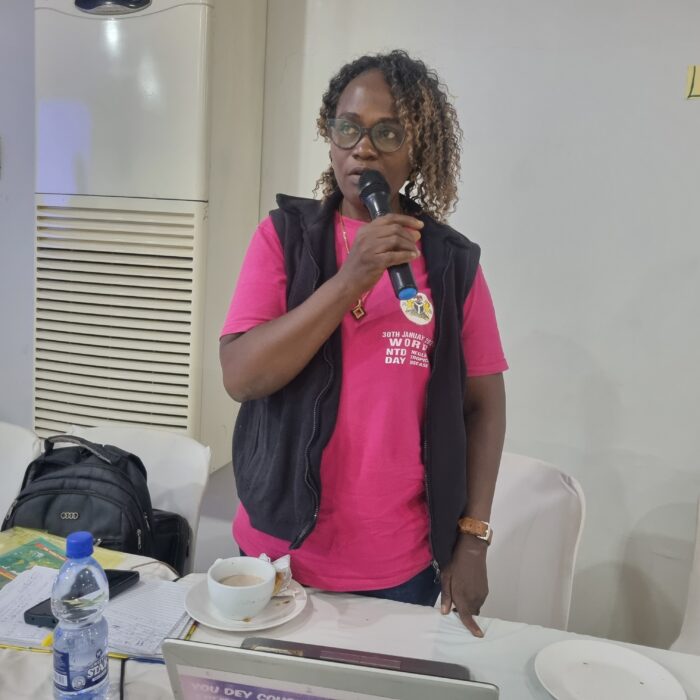
Across Benue, Enugu, and Ebonyi states, over 65 peer-led self-help groups meet monthly. These groups function as safe spaces for psychological first aid, wound self-care training, and cooperative micro-savings. More importantly, group leaders actively engage local traditional rulers (Ezes and Baales), church congregations, and youth associations to educate their communities, demystify the disease, and prove that leprosy is simply a bacterial condition - nothing more, nothing less.
As RedAid Nigeria aligns with the WHO Global Leprosy Strategy 2030, our focus is clear: accelerate active case finding to detect every infection before nerve damage occurs, ensure seamless access to MDT across all primary healthcare centers, and eradicate discriminatory laws and practices.
* Name changed to protect patient confidentiality and personal dignity.