Active Flagship Grant Supported by Hope Rises International (HRI)
Akwa Ibom State

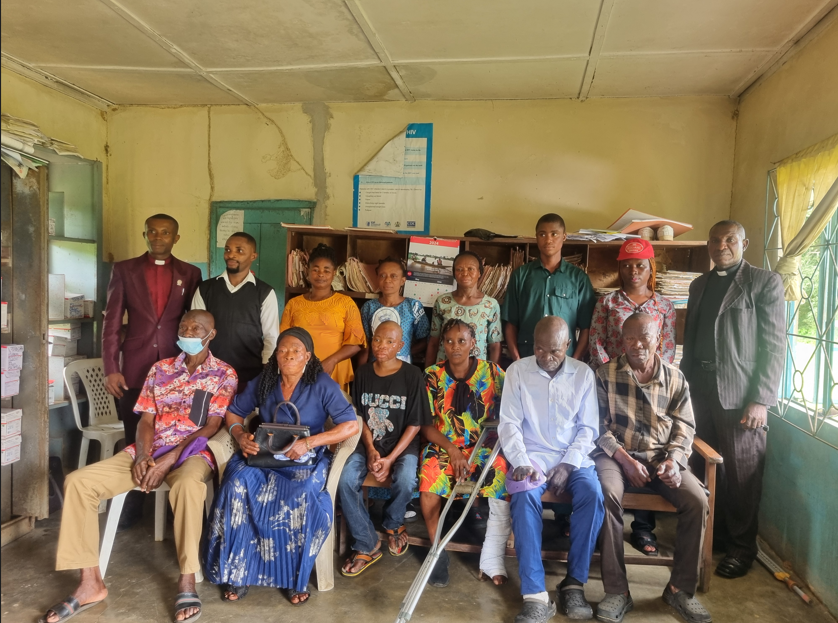
Partnering with network of local churches in active case finding and holistic management of skin NTDs

The NTD-Mission project links trusted church leaders, frontline healthcare workers, mission hospitals, and peer support groups into a united community pathway for leprosy and skin disease care across Akwa Ibom State.

Project Strategy

Bridging faith networks, clinical systems, and community self-care

In Etinan, Ibiono Ibom, and Obot Akara LGAs of Akwa Ibom State, people affected by leprosy, Buruli ulcer, and lymphatic filariasis frequently face deep social stigma and delayed diagnosis. By engaging trusted religious leaders as change agents rather than clinicians, the project establishes a dependable pathway from early recognition to validation by government health officers, expert hospital management, and monthly peer support.

Dr. Onyeka Christian Ugwu

Program Manager, NTD-Mission (Hope Rises International)

Public Health Physician with over 15 years at the intersection of clinical care and program management, specializing in finding missing cases, providing treatment, and ending transmission of HIV/AIDS, TB, Leprosy, and NTDs in Nigeria. Dr. Onyeka leads the faith-based detection network, clinical validation pathways, and peer support group operations across Akwa Ibom State.

0
Church-led outreaches conducted
0
Community reach & sensitisation encounters
0
Active Peer Support Groups (PSGs)
0
Monthly peer self-care meetings held
0
Patients receiving psychosocial support
0
Indirect community members reached

Project publications & downloads

Access official evaluation briefs, learning papers, and community advocacy materials from the HRI NTD-Mission implementation.

Restored lives & field stories

Documented recovery accounts and institutional shifts from the frontline communities of Akwa Ibom State.

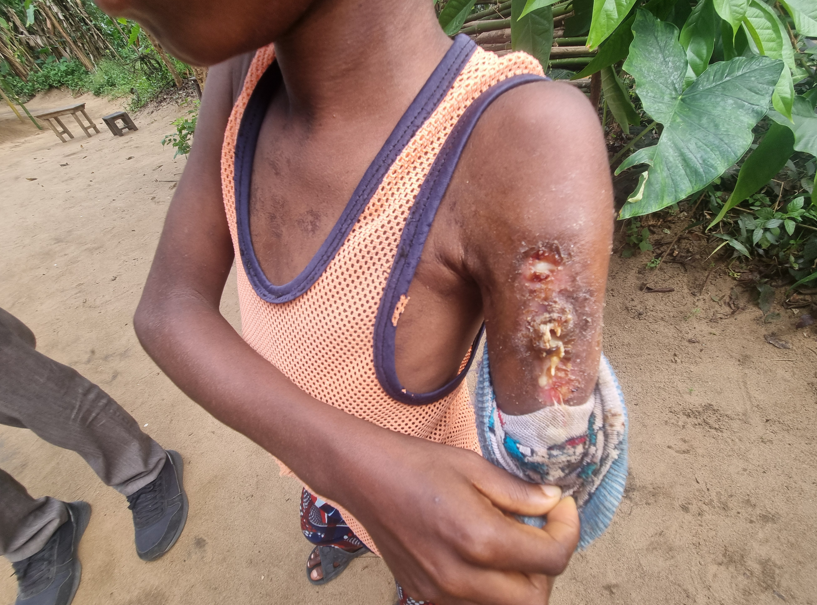
The Classroom Awaits: Odot’s Journey from Buruli Ulcer to Restored Mobility

“When we detected Odot during our community screening, his dream was simple: to walk without pain and put on his school uniform again.”

In the agrarian settlements of Ibiono Ibom LGA, six-year-old Odot Edidiong Ndarake faced severe joint tissue contraction caused by an undiagnosed Buruli ulcer nodule. Unable to walk and suffering excruciating pain, he was forced out of school.

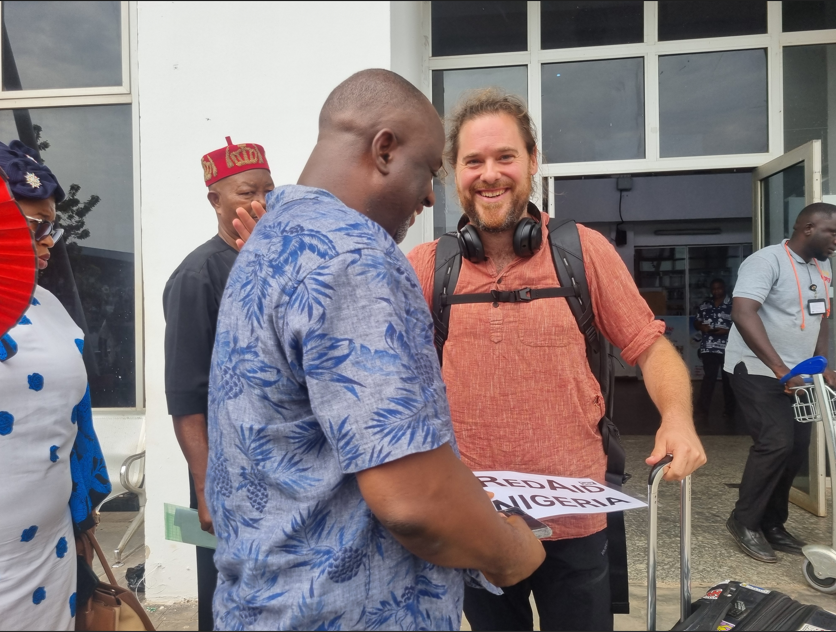
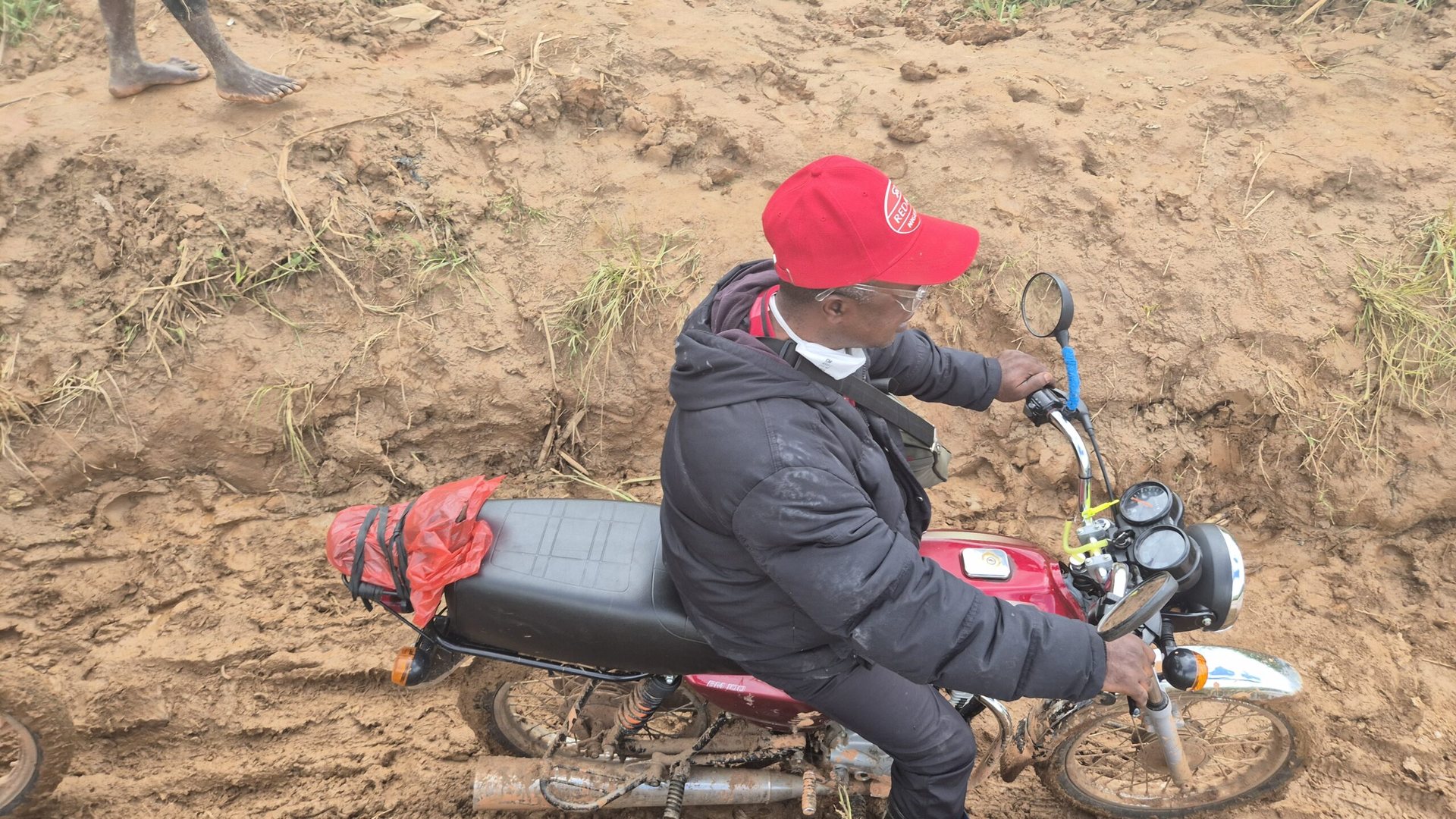
During a church-led screening outreach, trained volunteers flagged Odot’s condition. Supported by RedAid Nigeria through the HRI mechanism, he was safely transported to St. Joseph Hospital in Adazi for surgical contracture release and delicate skin grafting.

Following months of specialized physiotherapy, the contracted joints have regained full movement. With his mobility restored, Odot is now preparing to return to the classroom.
When Faith Becomes a Bridge to Care: Breaking Stigma from the Pulpit

“Unlike when we started, these patients now have confidence in us. They are comfortable talking to us and sharing what they are going through.”

Generations of social stigma surrounding skin neglected tropical diseases in Southeastern Nigeria frequently forced families into isolation, dreading community ostracization when early symptoms appeared.

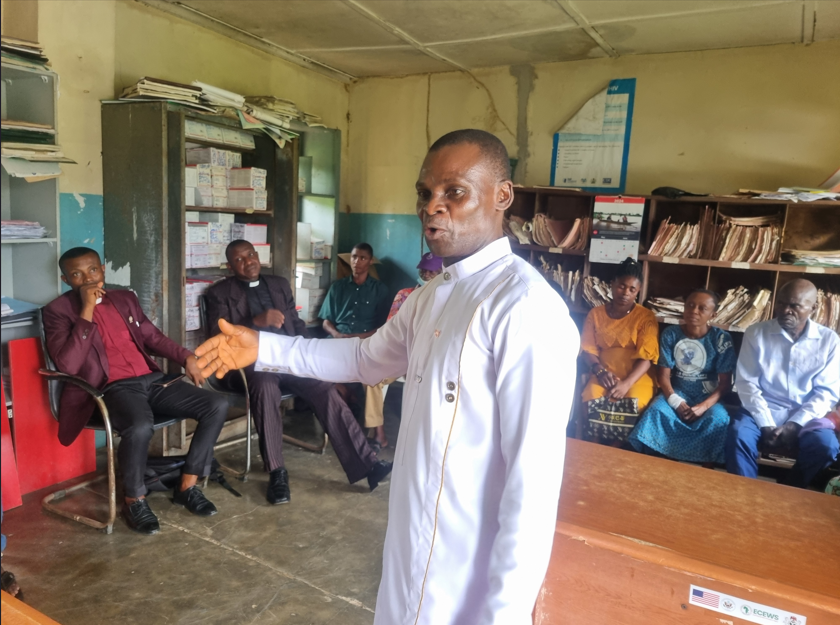
Rev. Samuel Okon Nwop of First Baptist Church in Etinan transformed his parish after participating in joint co-creation workshops, integrating medically verified facts on leprosy and skin conditions into weekly church sermons and counseling.

By aligning pastoral trust with clinical accountability, church members now openly attend monthly Peer Support Groups, breaking cycles of secrecy and linking affected residents to immediate validation and care.

The 5 linked system components

A structured community pathway that connects social trust with clinical accountability.

Component 01

Trusted Faith Leaders as Messengers

Trained pastors and church leaders share accurate health messages from the pulpit, dispel spiritual misconceptions, and provide initial compassionate counseling.

Component 02

Frontline Health Worker Clinical Validation

Tuberculosis and Leprosy Supervisors (TBLS) and Voluntary Leprosy Officers (VLOs) retain full diagnostic authority, validating presumptive cases and starting treatment.

Component 03

Mission Hospital Referral Hubs

Christian mission hospitals provide surgical intervention for complicated ulcers, hydrocele, and reconstructive needs with transportation support for patients.

Component 04

Peer Support Groups (PSGs)

10 established community groups provide monthly self-care education, ulcer dressing skills, and a safe peer space that counters emotional isolation.

Operational footprint

Implementation across targeted high-burden Local Government Areas in Akwa Ibom State.

Etinan LGA

Active faith-network engagement, church-based screening dialogues, and community peer support group meetings for persons affected by skin diseases.

5 active Peer Support Groups

Ibiono Ibom LGA

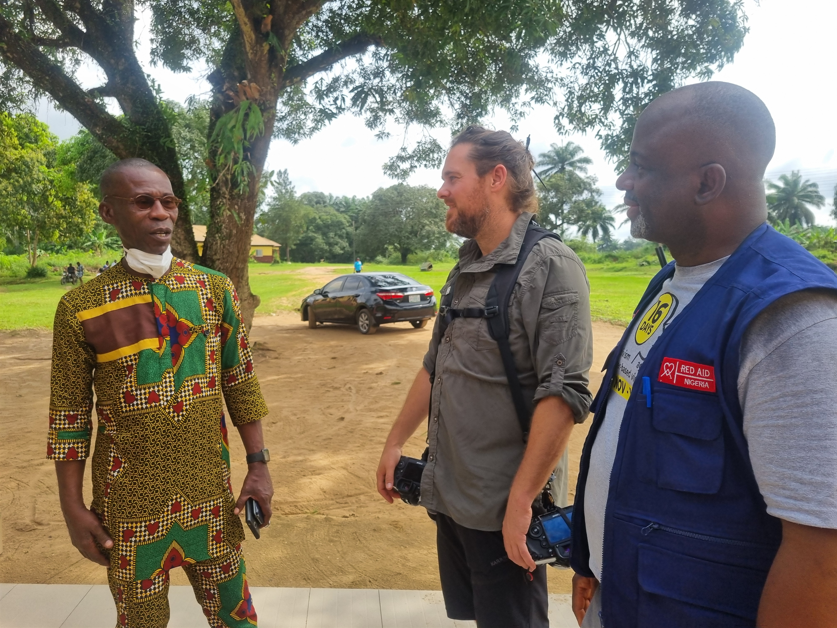
Frontline tuberculosis and leprosy supervisor validation, contact screening in agrarian settlements, and referral linkage to mission hospitals.

5 active Peer Support Groups

Obot Akara LGA

Approved replication and expansion corridor extending the linked faith-and-health pathway to underserved border communities.

Replication expansion phase