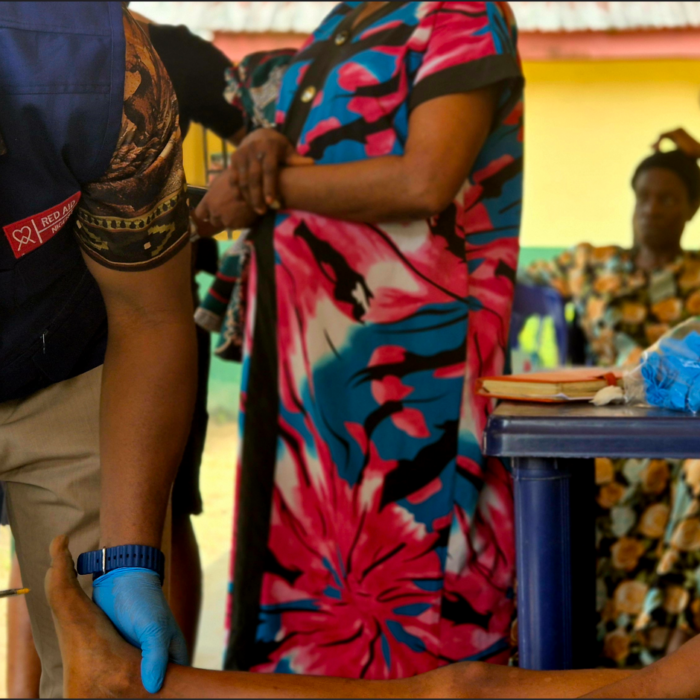
The economic burden on affected families is heavy. Transportation costs, wound care supplies, lost income, and extended caregiving responsibilities often push households deeper into poverty. At the same time, limited research funding and low global prioritisation of Buruli ulcer restrict innovation in diagnosis, prevention, and long-term care.
Buruli ulcer may be neglected, but it is not rare. It may be quiet, but its consequences are loud in the lives it reshapes. At RedAid Nigeria, our decades of work have shown us that addressing Buruli ulcer requires more than medicine; it demands early action, community trust, sustained care, and a commitment to ensuring that no one is left behind because of where they live or how little their disease is understood.
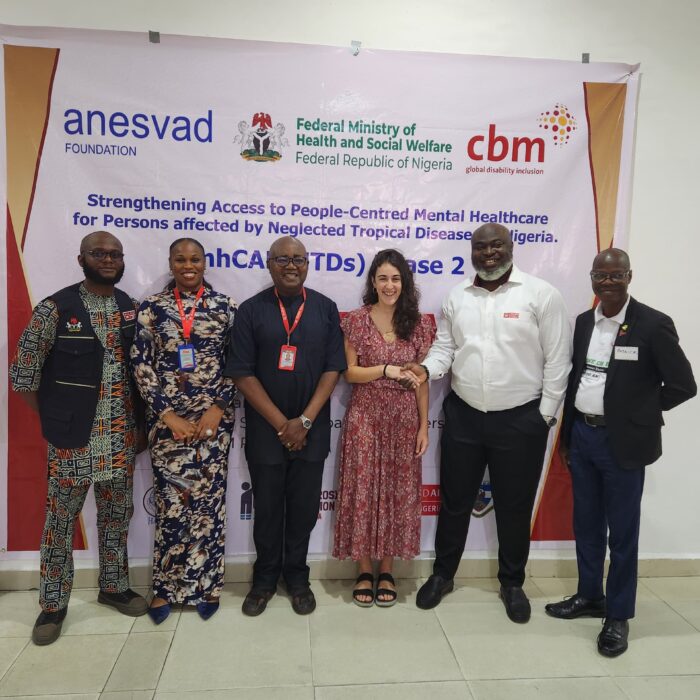
mhCAP NTDs project indicators:
Number of persons who accessed peer wellbeing support (Self-Help Group) – 70
Number of persons reached with anti stigma messages in the community – 30,000
Number of persons affected by NTDs accessing mental health services in PHCs – 100
Number of persons who received livelihood support – 70