


Our Story
The history of RedAid Nigeria began more than five decades ago with the presence of the German Leprosy and Relief Association (GLRA) in Nigeria. GLRA first came to the country in 1965 with a clear mission: to control leprosy and provide treatment and care for those affected. At that time, leprosy was a major public health challenge, and there was little attention on the needs of persons living with the disease. GLRA helped introduce structured leprosy control programs, trained health workers, and provided direct medical support across several states.
As the years passed, GLRA Nigeria expanded its scope. The organization responded to new challenges such as tuberculosis, HIV, and other neglected tropical diseases. It also focused on rehabilitation, disability care, and social inclusion. This shift was driven by the recognition that health problems are often connected, and people living with leprosy or other diseases face long-term social and economic barriers.
In 2016, GLRA Nigeria transitioned to RedAid Nigeria. The new name marked more than a change of identity. It reflected a decision to build a stronger Nigerian-owned institution that speaks directly to the communities it serves. RedAid Nigeria carries forward the same mission of care and solidarity but with deeper local roots and leadership.
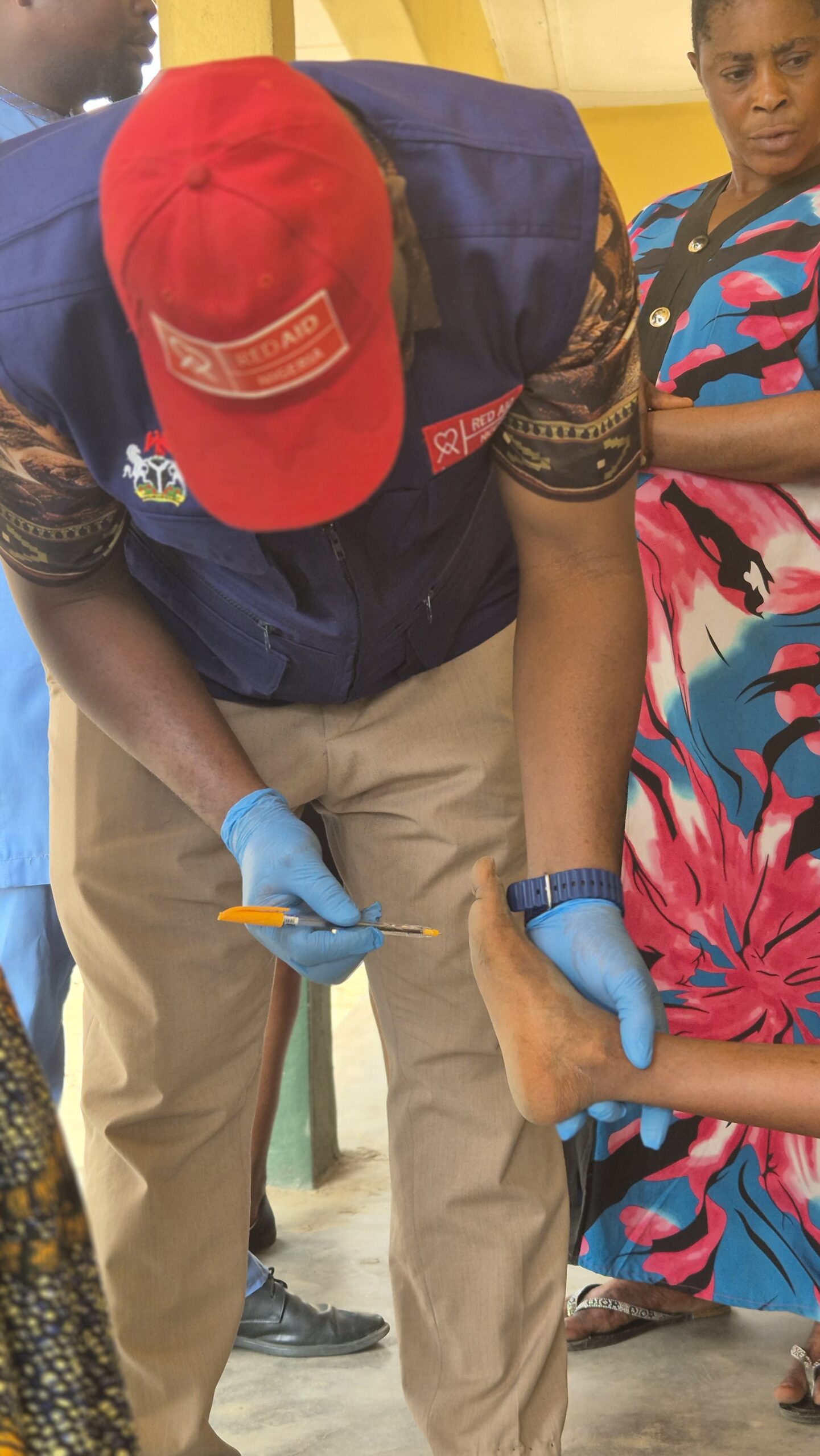
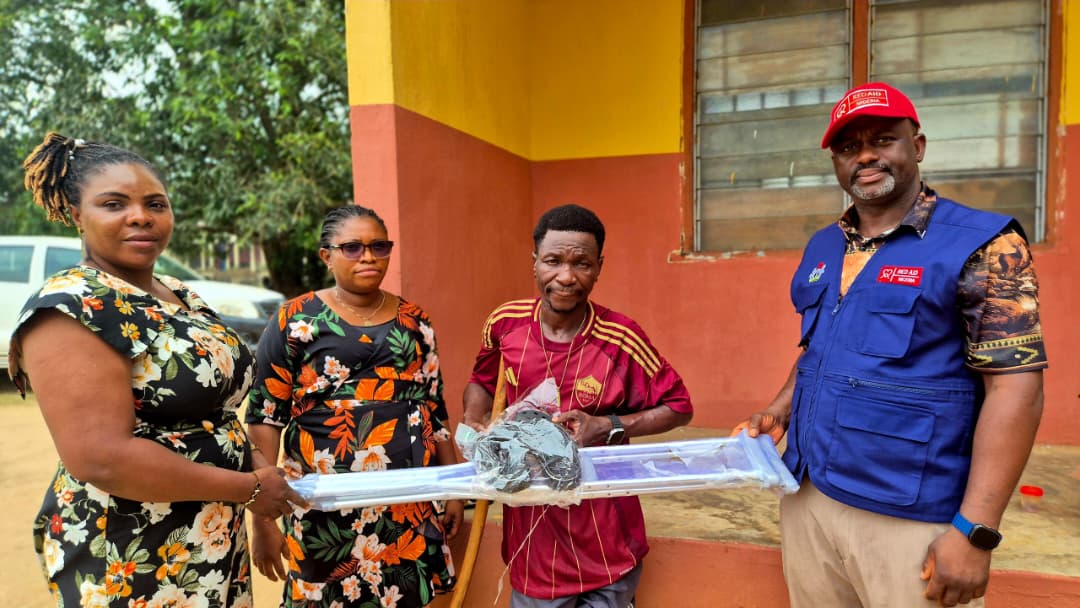
Today, RedAid Nigeria continues to deliver health services in partnership with government, civil society, and international agencies. Our work includes prevention, early diagnosis, treatment, and long-term support for people affected by leprosy, tuberculosis, HIV, and neglected tropical diseases. We also invest in disability-inclusive development, community empowerment, and poverty reduction.
The story of RedAid Nigeria is one of continuity and growth. From a small leprosy control program in the 1960s, we have grown into a national organization addressing multiple health and social challenges. Through every stage, our commitment remains the same: to reduce suffering, restore dignity, and strengthen communities.

THERE IS STILL WORK TO DO
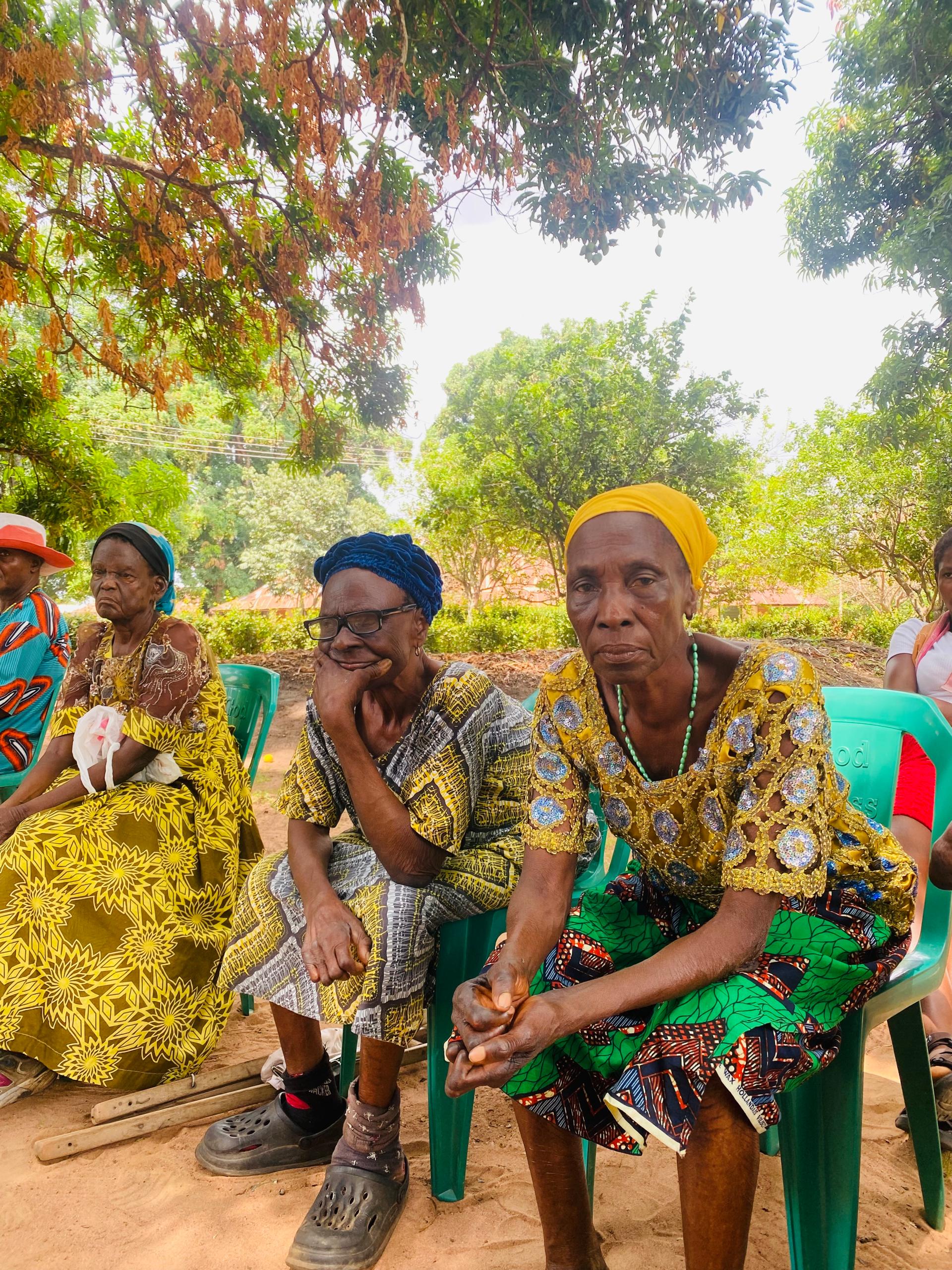
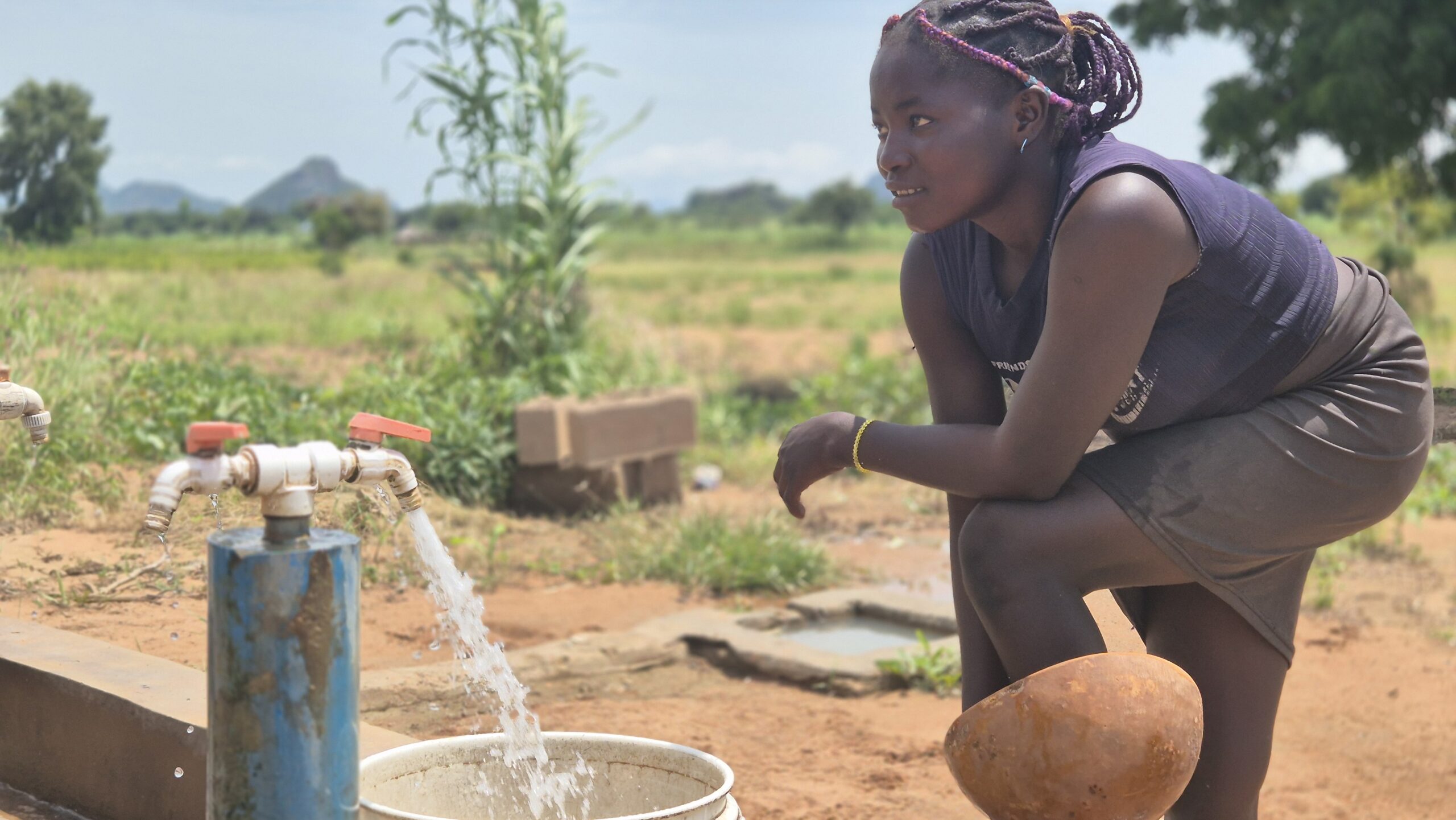
Progress has been made, but challenges remain. Leprosy still exists in Nigeria, with new cases reported every year. Tuberculosis continues to be one of the leading causes of illness and death. Neglected tropical diseases keep millions at risk, especially in poor and rural communities. Many people affected by these diseases also face stigma, disability, and exclusion from education and work.
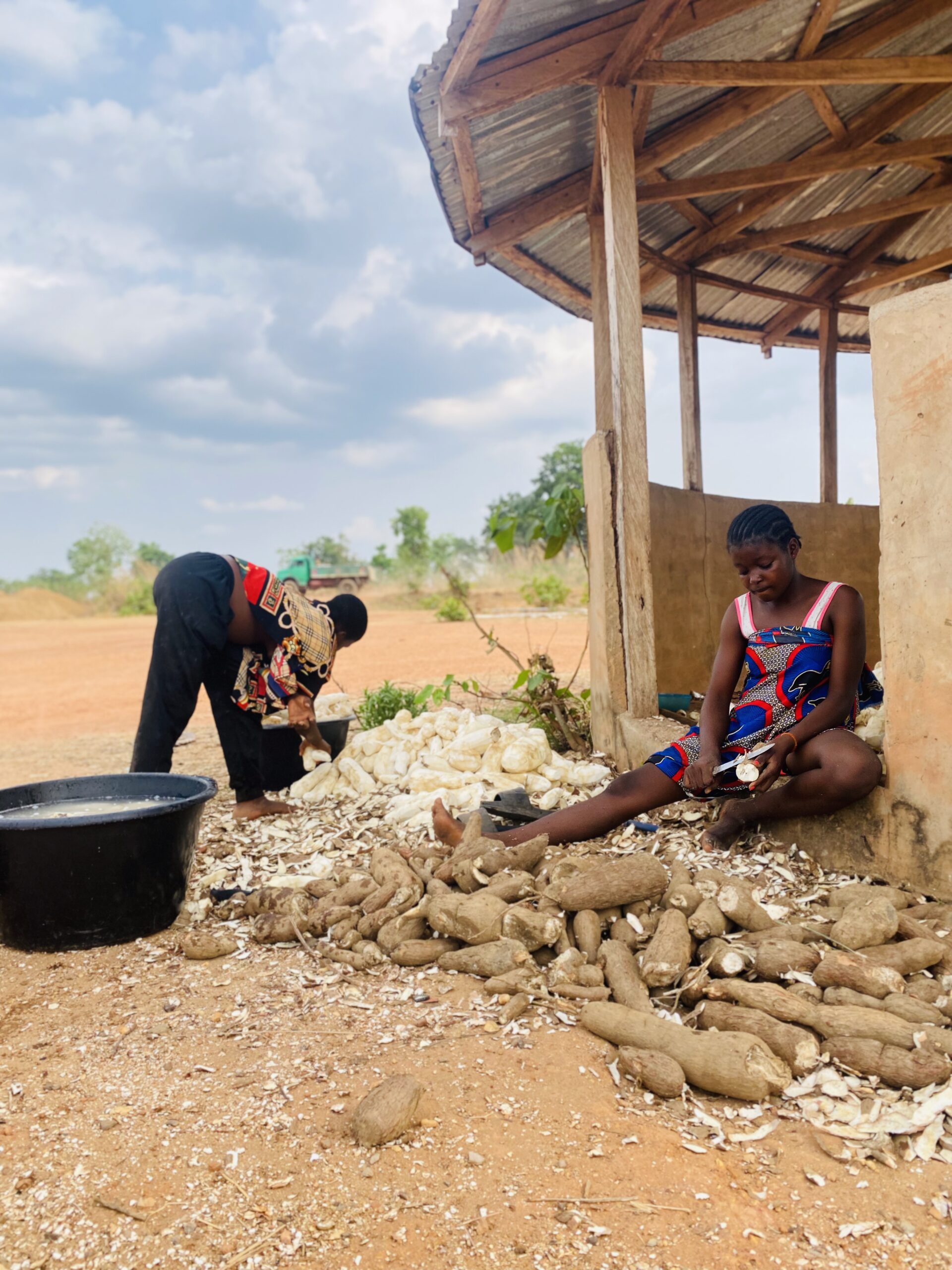
Health systems in many areas are under pressure. Access to timely diagnosis and quality treatment is not guaranteed for everyone. Families often struggle with the cost of care. People with disabilities still find it difficult to participate fully in society. Poverty continues to fuel disease, and disease continues to trap families in poverty.
RedAid Nigeria remains committed to addressing these gaps. We work to strengthen community health services, support local health workers, and make sure no one is left behind. Our programs aim to break the cycle of disease and poverty, while promoting dignity and equal opportunity.
The journey is not over. We believe that with sustained effort, partnership, and commitment, Nigeria can achieve a future where no one suffers needlessly from preventable diseases, and where every person has the chance to live with health, dignity, and inclusion.
Learn more
Understand how we started, who we are, and how we work with others to make health accessible.
Our Story RedAid Nigeria evolved from the long-standing presence of DAHW (German Leprosy and Tuberculosis Relief Association) in Nigeria. To strengthen local leadership and deepen community impact, DAHW transitioned its operations into a fully Nigerian entity
Our team includes skilled professionals in public health, project management, community outreach, and clinical services. We work with dedication and local insight to deliver results where they are needed most.
We work with local, national, and international partners to expand our reach and strengthen impact. These include state ministries of health, community-based organizations, and global health institutions. Together, we improve access, build capacity, and deliver lasting change.
We provide services for people affected by leprosy, tuberculosis, and other neglected diseases. Our work covers early case detection, treatment, rehabilitation, health education, and psychosocial support. We focus on reaching underserved communities through integrated, person-centered approaches.