


What We Do
Our Mission to Reduce Burden and Restore Dignity
We are dedicated to reducing the burden of Neglected Tropical Diseases (NTDs) and Tuberculosis (TB) in Nigeria. Our commitment focuses intensely on hard-to-reach endemic rural areas, where over 122 million people are currently at risk of NTDs. Our strategy addresses the core issues contributing to these health challenges, including the triple challenge of declining case detection, persistent late diagnosis, and ongoing transmission of Leprosy.
NTD & TB Control
Reducing the burden of Neglected Tropical Diseases and TB across Nigeria's most vulnerable states.
Rural Outreach
Penetrating hard-to-reach rural communities to reach over 122 million people at risk.
Specialized Care
Expert treatment for Leprosy, LF, and Onchocerciasis to prevent permanent physical disability.
Combating Neglected Tropical Diseases (NTDs)
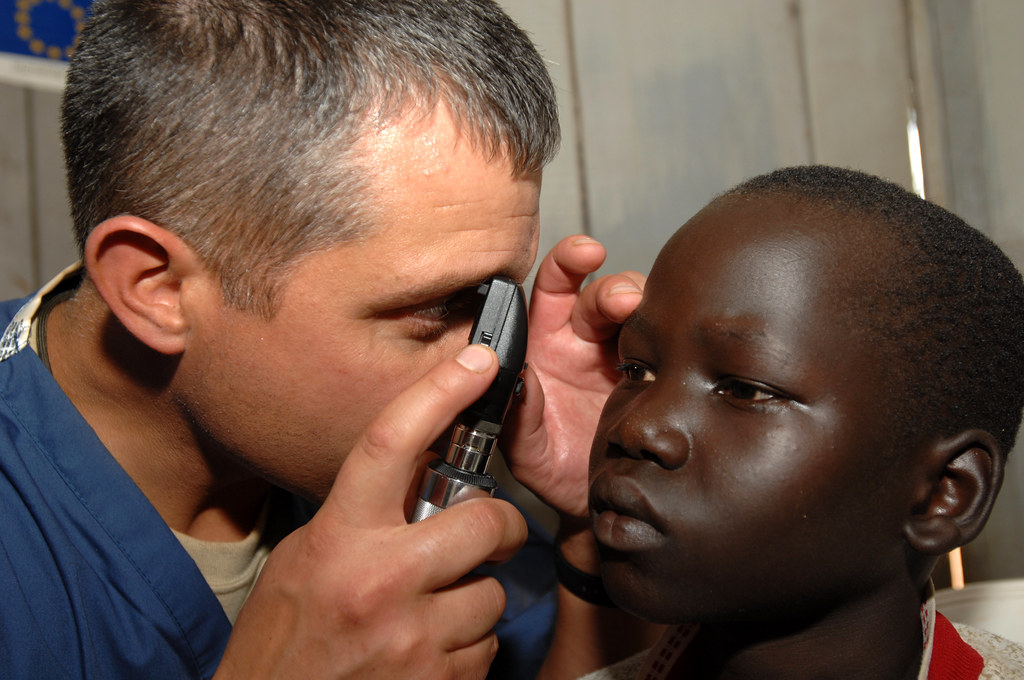
RedAid Nigeria is at the forefront of the fight against NTDs like Buruli ulcer and leprosy. Our programs focus on early detection, specialized medical treatment, and comprehensive rehabilitation to ensure that no one is left behind. We provide life-changing surgeries and long-term care for those affected, restoring not just their health, but their dignity.
Tuberculosis Control and Prevention
Tuberculosis remains a major health challenge in Nigeria. RedAid Nigeria supports the National TB Program through intensive case finding, improved diagnostic services, and treatment support. We work directly with communities to raise awareness, reduce stigma, and ensure that patients complete their treatment successfully. Our holistic approach includes nutritional support and social protection for vulnerable TB patients.
Specialized Medical Care and Rehabilitation
Beyond basic treatment, we offer specialized medical interventions including surgery and long-term physiotherapy. Our rehabilitation programs help patients reintegrate into society, providing them with the tools and support needed to live productive, independent lives after overcoming debilitating illnesses.