


Enhancing Lives: RedAid Nigeria Brings Care and Support to Leprosy and Buruli Ulcer Patients in Akwa Ibom
In many communities across Nigeria, diseases such as leprosy and Buruli ulcer continue to affect lives. For people living with the long-term effects of these neglected tropical diseases, consistent medical follow-up and rehabilitation support can make the difference between isolation and a life of dignity.
Recently, RedAid Nigeria, working alongside the National Tuberculosis, Buruli Ulcer and Leprosy Control Programme (NTBLCP), carried out a joint supportive supervision visit to Akwa Ibom State. The initiative brought medical assessment, rehabilitation support, and practical assistance directly to communities where people affected by these conditions live. The activity forms part of an ongoing effort supported by German Leprosy and TB Relief Association (DAHW) to strengthen care for persons affected by neglected tropical diseases in Nigeria.
The visit focused on reviewing ongoing leprosy and Buruli ulcer activities while providing hands-on clinical support. The team conducted detailed physical examinations for both individuals currently receiving treatment for leprosy and those who had previously completed treatment but remain at risk of complications. These evaluations are essential for detecting and managing early signs of nerve damage, ulcers, and other disabilities that may arise even after treatment has ended.
For many affected persons, routine examinations are not just medical procedures, they are a safeguard for independence. Early identification of complications allows health workers to intervene quickly, preventing worsening disability and enabling patients to continue their daily activities.
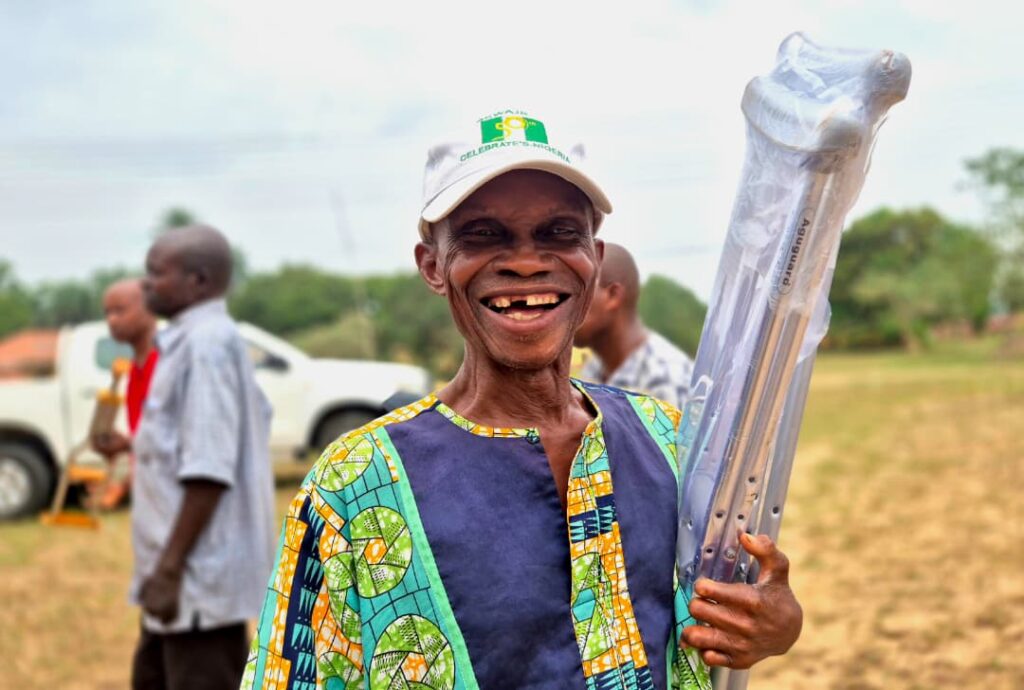
Beyond medical assessments, the team provided assistive devices to persons affected by leprosy. Crutches, wheelchairs, and specialized protective footwear were distributed to individuals whose mobility or limb sensitivity had been affected by the disease. These tools play a critical role in rehabilitation. Protective footwear, for example, helps prevent injuries and ulcers in people with reduced sensation in their feet, one of the most common complications of leprosy. Mobility aids such as wheelchairs and crutches restore a measure of autonomy, enabling recipients to move more freely within their homes and communities. For many beneficiaries, the devices represent more than physical support; they symbolize renewed participation in family life, economic activities, and community engagement.
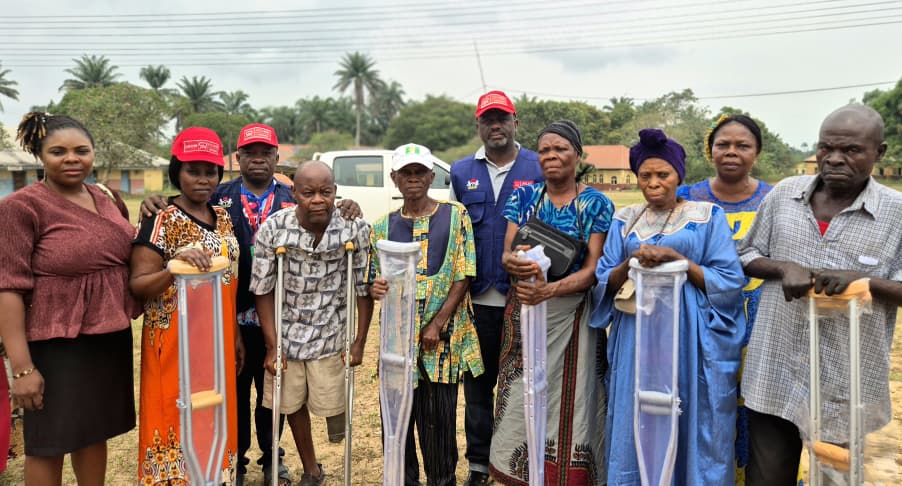
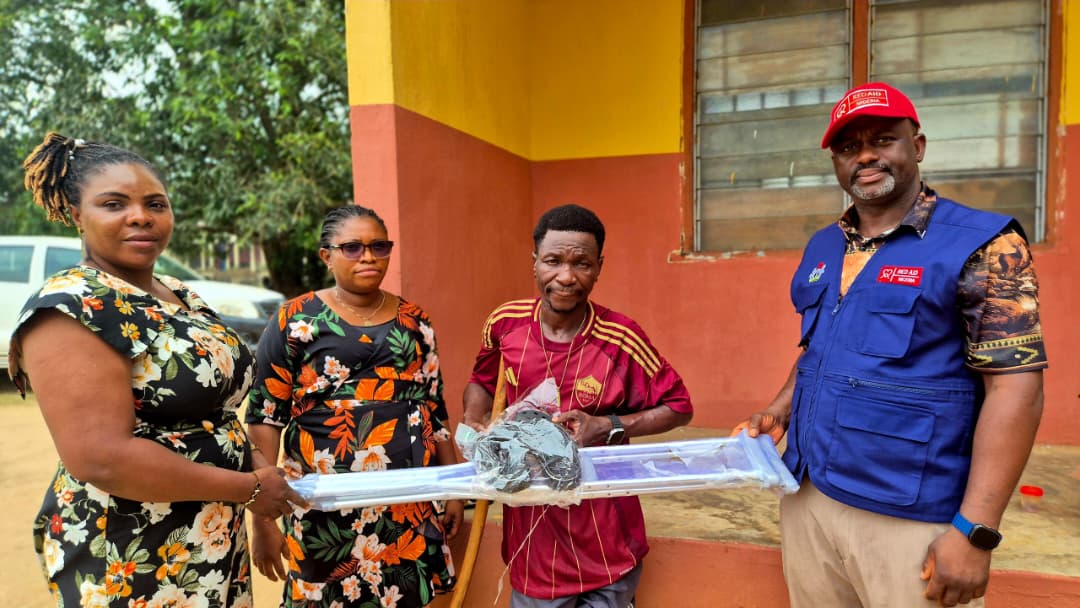
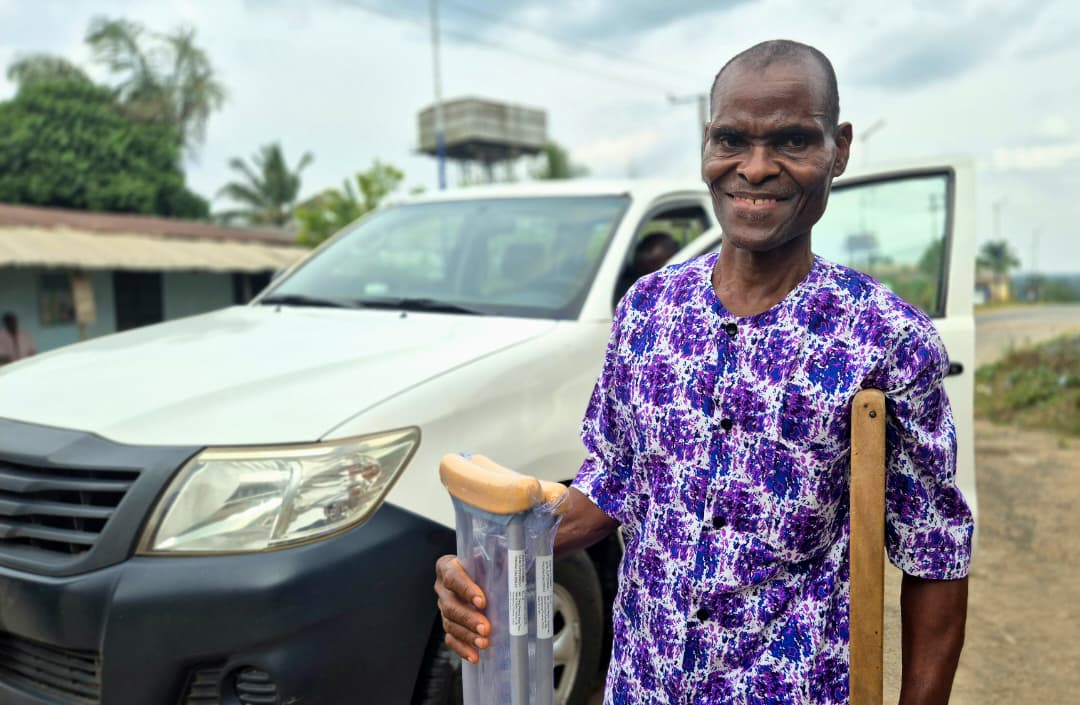
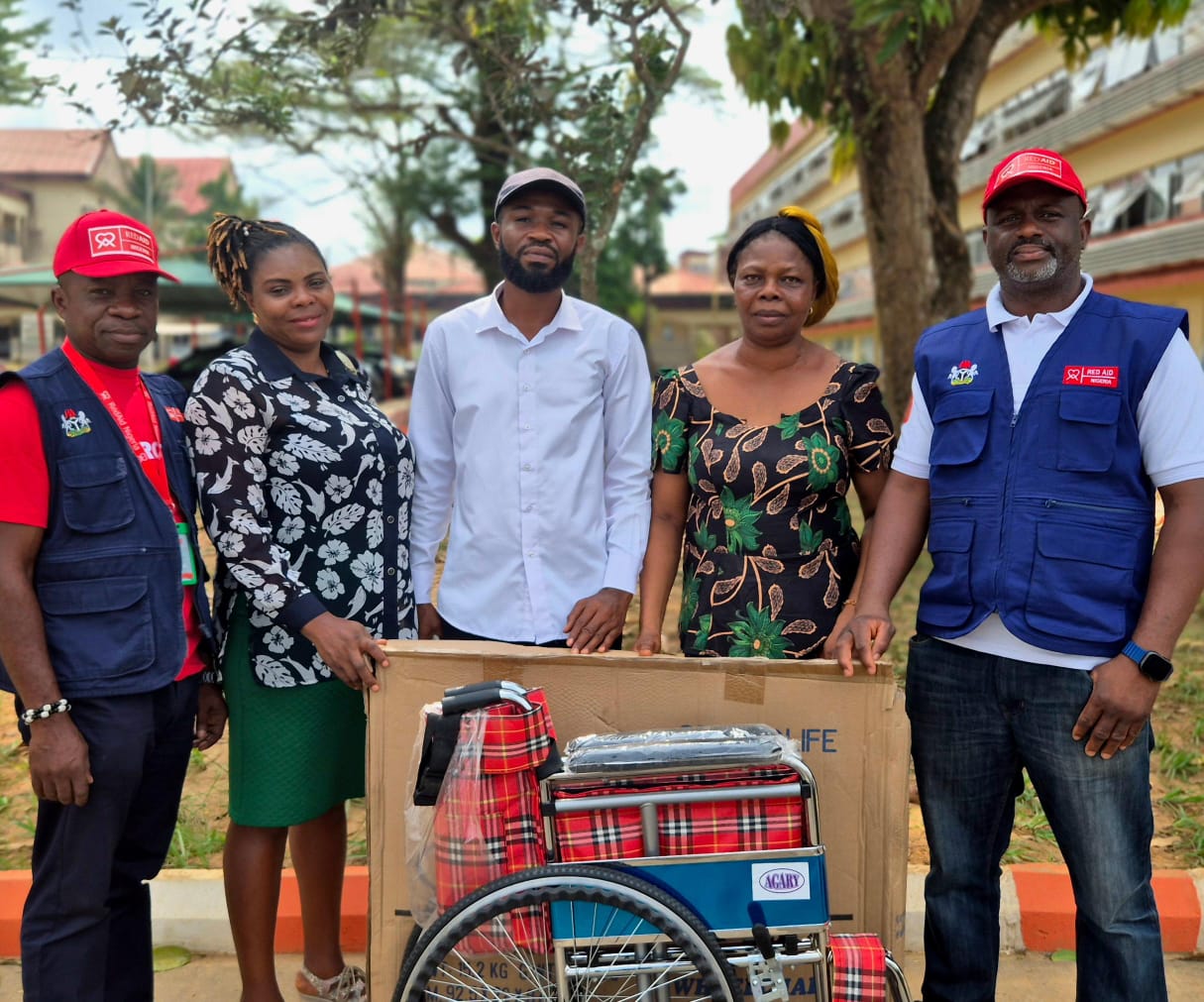
The joint supervisory visit also strengthened collaboration between national and community-level health actors working to address neglected tropical diseases. Supportive supervision is a key component of disease control programmes, helping ensure that local health facilities maintain high standards of care, follow treatment protocols correctly, and remain responsive to the evolving needs of patients.
Through initiatives like the Akwa Ibom supervisory visit, RedAid Nigeria supported by German Leprosy and TB Relief Association (DAHW) and other partners continue to demonstrate that comprehensive care for NTDs goes beyond medication. It involves sustained engagement with communities, regular clinical follow-up, rehabilitation services, and practical support that helps individuals rebuild their lives.
For communities across Akwa Ibom, the visit served as a reminder that people affected by leprosy and Buruli ulcer are not forgotten. With the combined efforts of national programmes, international partners, and community-based health workers, care, inclusion, and dignity remain within reach.